July 29, 2025
Concrete Foundation Crack Repair: A Complete Guide
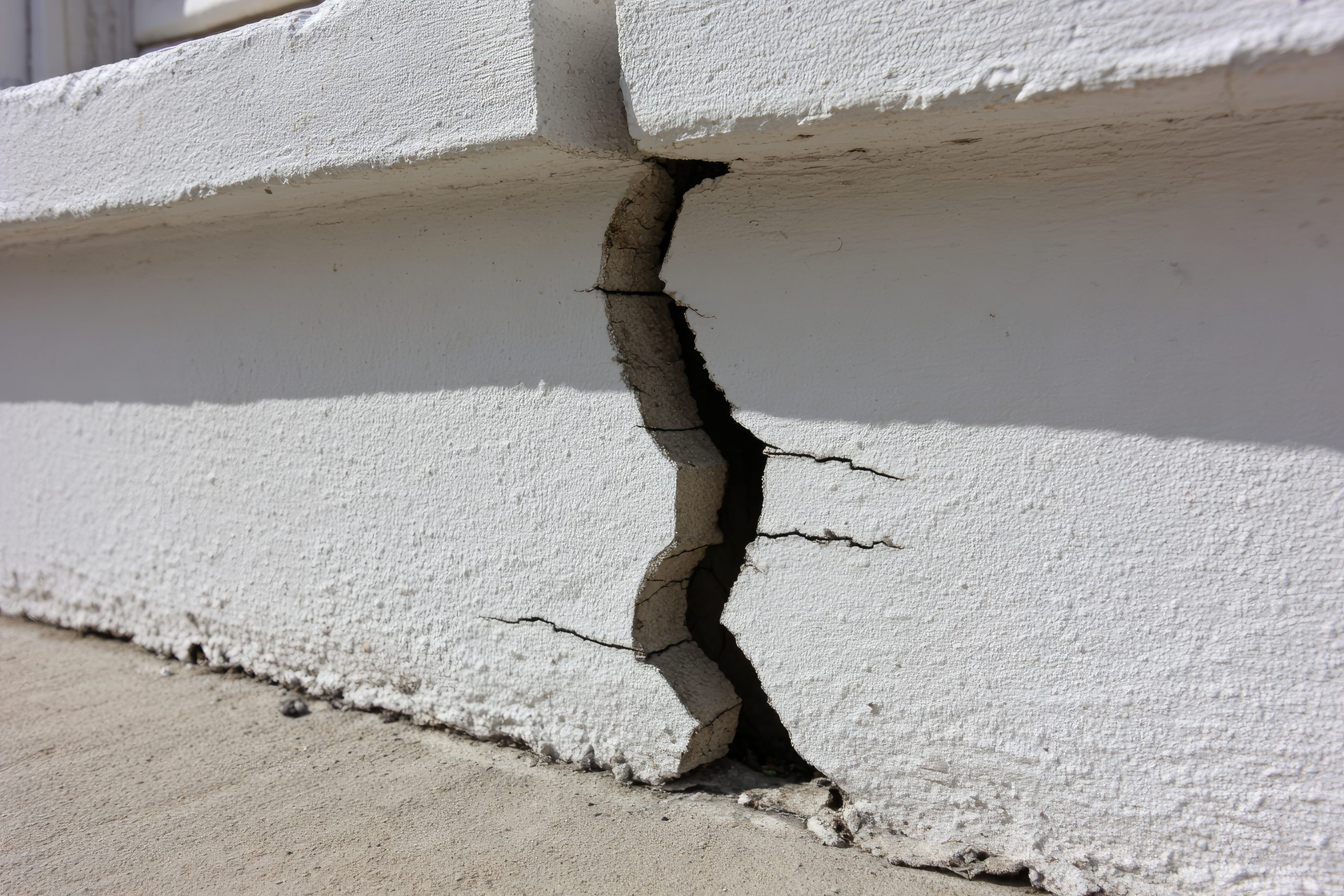
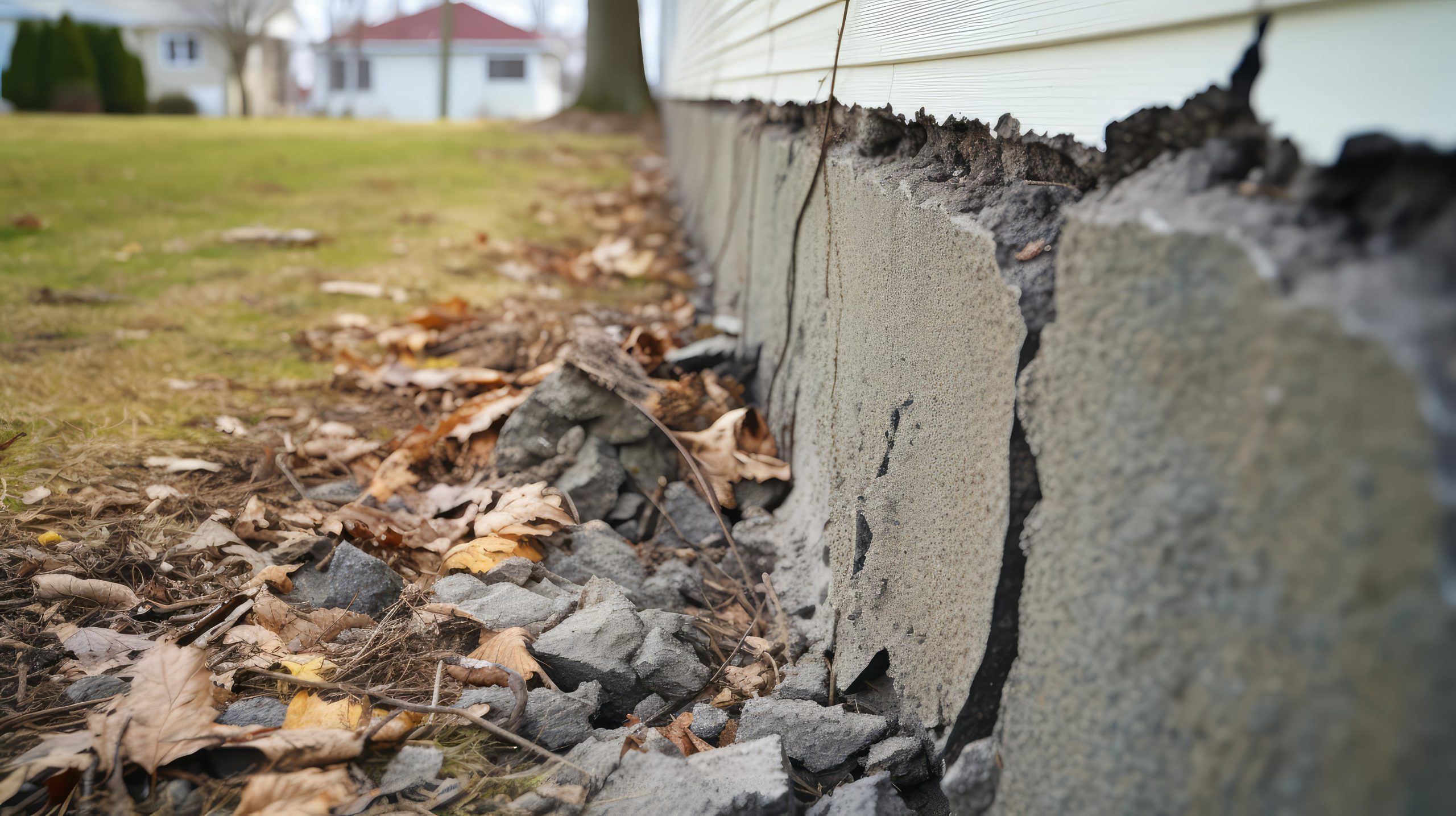
If you’ve noticed cracks in your concrete foundation, you’re likely wondering how to handle the situation. Concrete foundation crack repair is an essential part of home maintenance, especially when foundation damage could lead to serious structural issues. Understanding concrete foundation crack repair can help you decide when to call in professionals and what steps to take to protect your home’s integrity. In this guide, we’ll explain the process of concrete foundation crack repair and the best methods to ensure long-lasting results.
What Causes Concrete Foundation Cracks?
Before diving into the specifics of concrete foundation crack repair, it’s important to understand the common causes of foundation cracks. Knowing the underlying cause of the cracks helps in selecting the right repair method.
1. Water Damage and Hydrostatic Pressure
Water is one of the leading causes of cracks in concrete foundations. When water seeps into the ground around your foundation, it creates hydrostatic pressure that forces the concrete to crack. If you have ongoing water issues or poorly directed drainage, you may notice cracks appearing over time. If you’re wondering how long does concrete foundation crack repair take, addressing hydrostatic pressure early can minimize the damage and speed up the repair process.
2. Soil Movement and Settling
The soil beneath your foundation can shift or settle due to moisture, changes in temperature, or poor compaction. This can lead to uneven settling, which puts pressure on the foundation and causes cracks to form. If you’re asking how long does concrete foundation crack repair take in this case, it depends on the severity of the settling. Foundation piering may be required, which can extend the repair timeline.
3. Natural Wear and Tear
Over time, foundations naturally settle as part of the aging process. Even well-built foundations can experience minor cracking as the concrete adjusts to the weight of the structure and the shifting soil beneath it. How long does concrete foundation crack repair take for wear and tear? Minor cracks typically require less time for repairs, but larger, more serious issues may require a lengthier process to stabilize the foundation.
Concrete Foundation Crack Repair: How to Fix Cracks
Once you’ve identified the cause of your cracks, it’s time to consider the concrete foundation crack repair options. Depending on the type and severity of the crack, there are various methods to restore the structural integrity of your foundation. Let’s go over the most common concrete foundation crack repair techniques.
1. Epoxy Injection for Small Cracks
Epoxy injection is one of the most common solutions for concrete foundation crack repair when dealing with smaller cracks. This process involves injecting a high-strength epoxy resin into the crack, which bonds the crack back together and prevents water from infiltrating.
What to Expect:
-
The epoxy resin fills the crack and hardens, restoring the strength of the concrete.
-
Epoxy injection is ideal for cracks that are not actively leaking water and are typically used for minor vertical or horizontal cracks.
2. Polyurethane Injection for Larger Cracks
For larger or actively leaking cracks, polyurethane injection is often used in concrete foundation crack repair. Polyurethane foam expands once injected into the crack, filling the void and creating a water-tight seal.
What to Expect:
-
Polyurethane expands and cures within the crack, filling the gap and sealing it from future water infiltration.
-
This method is commonly used when concrete foundation crack repair is needed in wet conditions or areas where water leakage is a concern.
3. Foundation Piering for Settling Foundations
If the cracks are caused by settling or shifting soil, you may need a more advanced method of concrete foundation crack repair, such as foundation piering. Piering involves inserting steel piers or pilings into the ground beneath the foundation to stabilize the structure and lift it back to its original level.
What to Expect:
-
Piers are driven deep into the soil to reach stable, load-bearing layers.
-
This method addresses the root cause of the settling, effectively stabilizing the foundation and stopping further cracking.
4. Hydraulic Cement for Waterproofing and Sealing
For cracks that are leaking water, hydraulic cement is often used in concrete foundation crack repair. Hydraulic cement expands as it cures, filling the crack and creating a waterproof barrier.
What to Expect:
-
The cement is applied to the crack and quickly hardens, stopping water leaks.
-
While hydraulic cement is ideal for sealing cracks and preventing moisture infiltration, it’s generally not a permanent solution if there are ongoing soil movement issues.
5. Crack Stitching for Major Structural Cracks
In cases where the cracks are large and have compromised the structural integrity of the foundation, crack stitching is an effective method for concrete foundation crack repair. This method involves placing metal reinforcement bars, or “stitching,” into the cracks to bond and stabilize the foundation.
What to Expect:
-
Metal reinforcement bars are embedded into the crack and secured with grout or epoxy.
-
This method helps reinforce the foundation and prevent further movement or cracking.
Concrete Foundation Crack Repair: Preventing Future Damage
Once the concrete foundation crack repair is completed, it’s important to take steps to prevent future issues. Here are some maintenance tips to help protect your foundation from further damage:
1. Improve Drainage Around the Foundation
Proper drainage is essential to preventing water from accumulating around your foundation, which could cause future cracks. Make sure your gutters and downspouts are clear and direct water away from the foundation. How long does concrete foundation crack repair take if drainage issues are present? Early intervention can significantly reduce the time and cost of repairs.
What to Expect:
-
Installing a French drain or sump pump can help direct excess water away from the foundation, minimizing water-related damage and extending the lifespan of your foundation.
-
Regularly inspect the perimeter of your foundation for any signs of water pooling. This will help catch potential problems early, preventing the need for major concrete foundation crack repair later on.
2. Monitor for Settling or Shifting
Keep an eye on any signs of foundation movement. If you notice new cracks, doors or windows that are difficult to open, or uneven floors, these could be signs that your foundation is settling again. If you’re wondering how long does concrete foundation crack repair take for shifting foundations, the answer will depend on the severity of the movement and the repair method chosen.
What to Expect:
-
Addressing small foundation issues early can prevent larger, more costly repairs down the road. The quicker you act, the less time it will take for concrete foundation crack repair to stabilize your foundation.
-
Routine inspections can catch potential problems before they worsen, allowing you to fix the issue before it requires more extensive and time-consuming repairs.
How to Tell if You Need Concrete Foundation Crack Repair
If you’re wondering whether you need concrete foundation crack repair, look for these common signs:
-
Visible Cracks: Vertical, horizontal, or diagonal cracks on your foundation walls are a clear sign that repairs are needed.
-
Water Damage: Leaks or pooling water inside the basement or crawl space can indicate that the cracks need to be sealed.
-
Structural Shifting: Doors and windows that no longer open or close properly can be a sign of shifting in your foundation.
Conclusion: Concrete Foundation Crack Repair
In conclusion, concrete foundation crack repair is a crucial part of maintaining the structural integrity of your home. Whether you’re dealing with minor cracks or major settling, there are various solutions available, from epoxy injection to foundation piering. By addressing cracks early and taking preventive measures, you can protect your home from future damage and ensure the longevity of your foundation.
If you’re unsure how to proceed with concrete foundation crack repair, it’s always best to consult with a professional masonry contractor who can assess the severity of the damage and recommend the best course of action.